Mammography chair

Comfort and precision in breast diagnostics

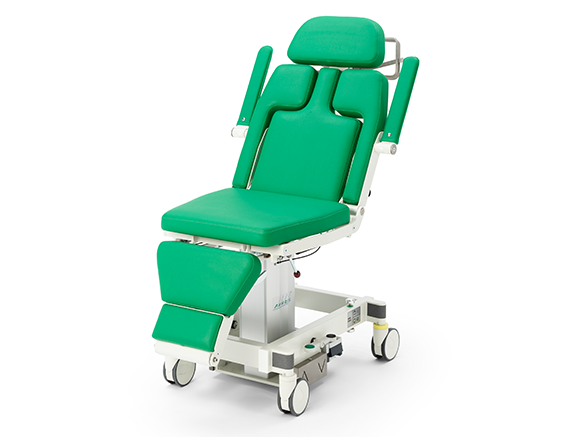
Mammography chairs are specialized examination chairs for breast diagnostics that are used in radiology practices, clinics and breast centers. They enable ergonomic patient positioning and comfortable positioning of patients during mammography examinations and breast biopsies

As a specialist, you know how important a calm sitting posture and precise position are for reliable diagnostic results. A modern mammography chair combines height-adjustable design, secure fixation and a high level of patient comfort - and therefore contributes greatly to efficient work processes and better imaging of the breast tissue.
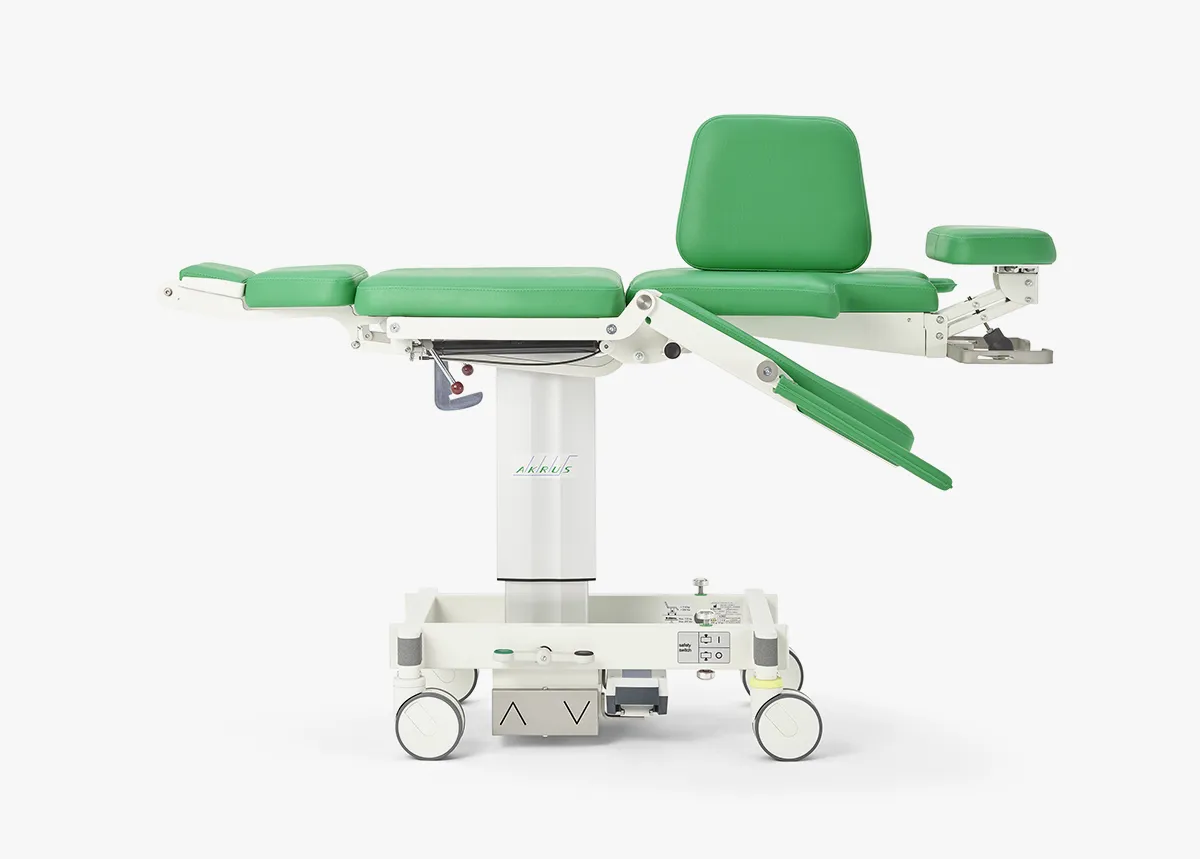
ak5010 MBS

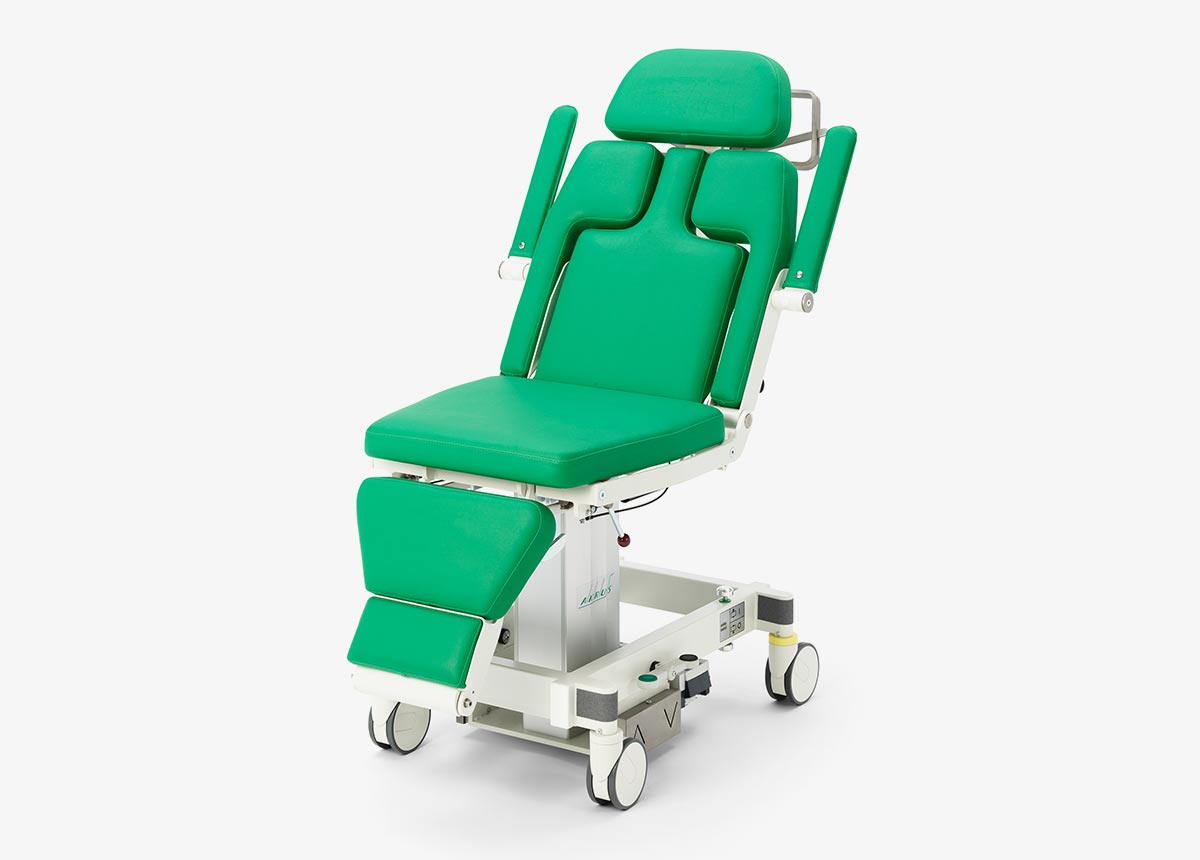
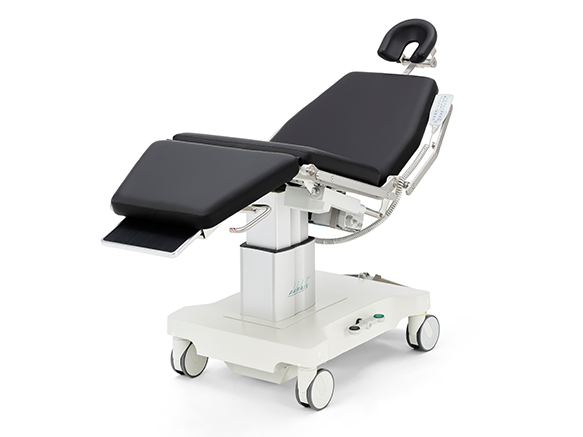
Thanks to its battery-powered electric height adjustment and flexible segment adjustment, the mammography chair enables fast, comfortable positioning for mammography and biopsy with a small footprint and secure positioning thanks to castor fixation.

Mammography chairs for ergonomic mammography and biopsy

A mammography chair is a technically sophisticated treatment chair that has been specially developed with patient positioning during breast examinations in mind. It enables flexible positioning: The patient can be positioned either sitting upright or lying on their side for the breast X-ray. This versatility is crucial, as certain mammography projections and magnified images can be better performed in different angles and postures. The chair's battery-powered height adjustment allows medical staff to set the optimum working height, making it easier to work ergonomically. At the same time, the chair offers flexibility and patient comfort with a small footprint - so it takes up very little space in the examination room and is still versatile and comfortable for the patient.

Especially for stereotactic biopsies, it is often necessary for the patient to lie on her side. The mammography chair is infinitely adjustable for this purpose: The backrest can be tilted from upright (90°) to flat horizontal. Fold-out back segments create targeted free space in the shoulder area so that the breast is optimally accessible. An adjustable headrest supports stable, calm positioning - for precise biopsies and multiple exposures.

Functions and features of the mammography chair


The mammography chair is designed for professional use in radiological diagnostics and combines ergonomic operability, high patient safety and maximum flexibility in day-to-day work. Its functions and equipment features are designed to reliably cover different examination situations and at the same time increase comfort for patients and staff. The following details show how the design, operation and features of the chair are consistently geared towards these requirements.


FAQ - Frequently asked questions about mammography and examination chairs

1What is a mammography chair used for?
Especially for mammography screenings and minimally invasive procedures such as stereotactic and tomosynthetic breast biopsies. For biopsies, the chair can be adjusted to a stable, gentle lateral position - the backrest can be continuously tilted from 90° to horizontal. Fold-out back segments create shoulder space for optimum accessibility, while an adjustable headrest supports a stable position for precise images.
2What should I not do before a mammogram?
Do not apply any deodorant, cream/lotion or powder to your breasts or armpits before the examination - this can impair the image quality and cause artifacts. It is best to come to the mammogram freshly washed and without any care or cosmetic products in the breast area.
3Why does mammography hurt so much?
Some women find mammography painful because the breast is pressed flat (compressed) between two plates. This compression is necessary to distribute the breast tissue evenly: The flatter the breast, the more informative the mammogram images will be afterwards. However, the strong compression can cause short-term pain or an unpleasant feeling of pressure. Important to know: Squeezing is not dangerous for the tissue - on the contrary, it improves the image quality and even reduces the required radiation dose. The sensation of pain varies from person to person. A few tips can help to make the mammogram more bearable: If possible, schedule the appointment in the first half of your cycle (shortly after your period), as the breast tissue is then less sensitive to pressure. Stay relaxed during the scan and let the staff know if it hurts - the experience can often be significantly improved by taking short breaks or proceeding gently. Overall, the actual compression only takes a few seconds per scan, so the uncomfortable phase is very short.
4Is mammography X-ray?
Yes - mammography is an X-ray examination of the breast. More precisely, it is a special form of X-ray that uses low-dose X-rays to produce high-resolution images of the breast tissue. This is why mammography is also referred to as digital X-ray mammography. During mammography, two X-ray images are usually taken of each breast from different angles (from above and diagonally to the side). The X-rays used penetrate the breast tissue and produce a high-contrast image on a detector, on which dense tissue structures such as glandular lobules or possible tumors appear as bright areas. Modern mammography devices work digitally and with very low radiation - the radiation dose is so low that it normally has no negative consequences. Mammography is therefore an X-ray diagnostic imaging procedure. Important: Despite X-ray radiation, mammography is indispensable in early detection, as no other procedure (ultrasound, MRI, etc.) can detect the smallest early changes so reliably. It goes without saying that the indication for mammography is always carefully determined in order to avoid unnecessary stress. For women aged 50 and over, mammography screening is offered every two years - this is considered safe and effective in the early detection of breast cancer.
5How high is the radiation exposure during a mammogram?
The radiation exposure of a mammogram is relatively low. A complete mammography examination (usually four images, two per breast) has an effective dose of around 0.2 to 0.4 millisieverts (mSv). By way of comparison, this is roughly equivalent to the natural radiation to which a person is exposed within 1-2 months, or roughly speaking a dose similar to that received on a long-haul flight. This low radiation dose is possible because the breast is thinner thanks to compression and modern digital mammography devices work very efficiently. Of course, any X-ray radiation should be kept to the necessary minimum. But in the context of early detection, the benefit of mammography (early detection of breast cancer) is considered to be significantly higher than the very low radiation-related risk. Important: If you are pregnant or could be pregnant, you should definitely tell your doctor before the examination. In such cases, the doctor will weigh up the benefits and risks particularly carefully or recommend alternative methods (e.g. ultrasound or MRI).

Akrus - Your specialist for mammography chairs - Advice & Service

The company Akrus Medizintechnik (AKRUS GmbH & Co. KG) from Elmshorn in Germany is an experienced manufacturer of such patient positioning systems. With just over 50 years of experience in the industry, Akrus stands for functional design, ergonomic workflows, reliable use and cost-effectiveness. The company develops and produces mobile, battery-powered patient positioning solutions "Made in Germany" and distributes them via a worldwide network of specialist dealers.

Akrus has particular expertise in the field of breast diagnostics: the ak5010 MBS mammography chair from Akrus is used in many breast centers and was developed in close cooperation with users. Akrus attaches great importance to customer orientation - thanks to in-house production and a high level of vertical integration, the company can respond to special requirements. For you as a purchaser, this means that an Akrus mammography chair combines innovation and practicality. From the well thought-out design to the use of high-quality components, this product meets the high requirements of clinical breast diagnostics. Short delivery routes within Germany and certified quality (ISO 13485:2016) round off the profile. Rely on Akrus as a partner who understands your customer requirements and offers durable solutions for breast diagnostics.