MOBILE OPERATING CHAIRS & TABLES

Mobile operating tables - flexibility and safety for outpatient procedures

Mobile operating tables are mobile operating tables on castors that have been specially developed for outpatient operations and procedures. As a combination of operating table and transport stretcher, they allow patients to be treated on the same stretcher from preparation through the procedure to aftercare, without having to be repositioned in between. This speeds up the procedure and increases safety, as a calm, stable patient promotes the progress of the operation.

Manufacturers such as Akrus focus on quality: Akrus has been in existence since 1946 and has been producing high-quality medical products in Germany since 1975 ("Quality Made in Germany"). Every mobile operating table from Akrus is a certified medical product in accordance with DIN EN ISO 13485 and meets strict safety standards (including EN 60601-2-96 for operating tables). As a result, you receive flexible, ergonomic and safe mobile operating tables that meet the highest quality standards and are versatile in use.

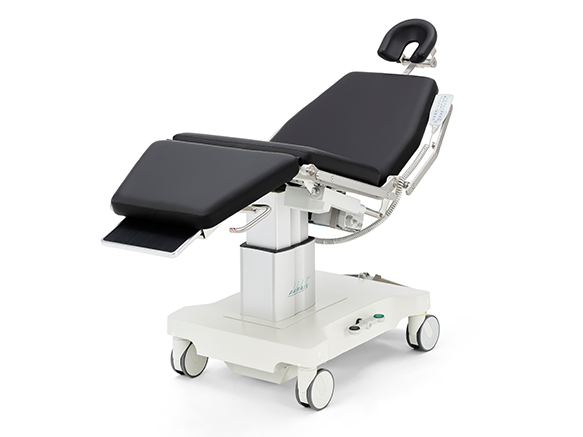
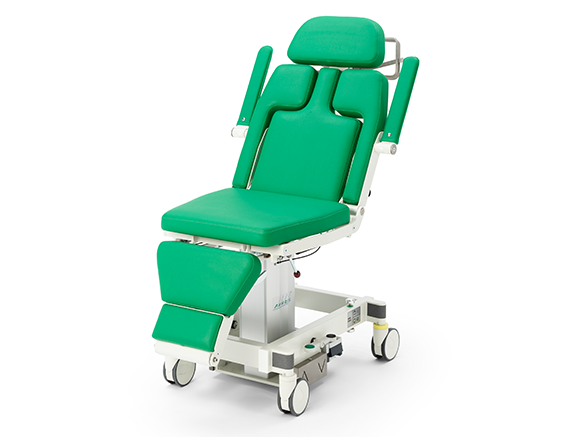
sc5010 ES

Mobile operating chairs (SC = Surgical Chair) with 5 electric motors. These models are ideal for eye surgery (ophthalmology) as well as ENT and maxillofacial surgery. Detailed information can be found on the product page.

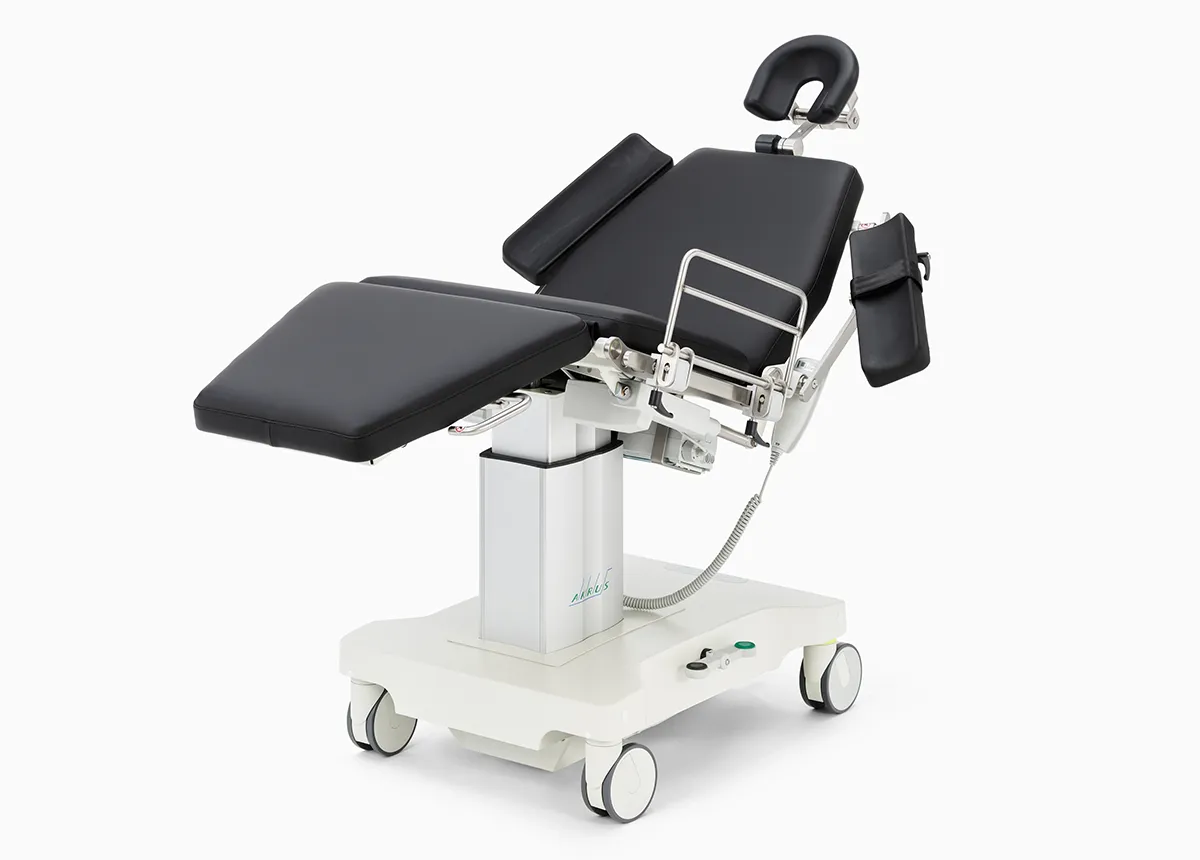
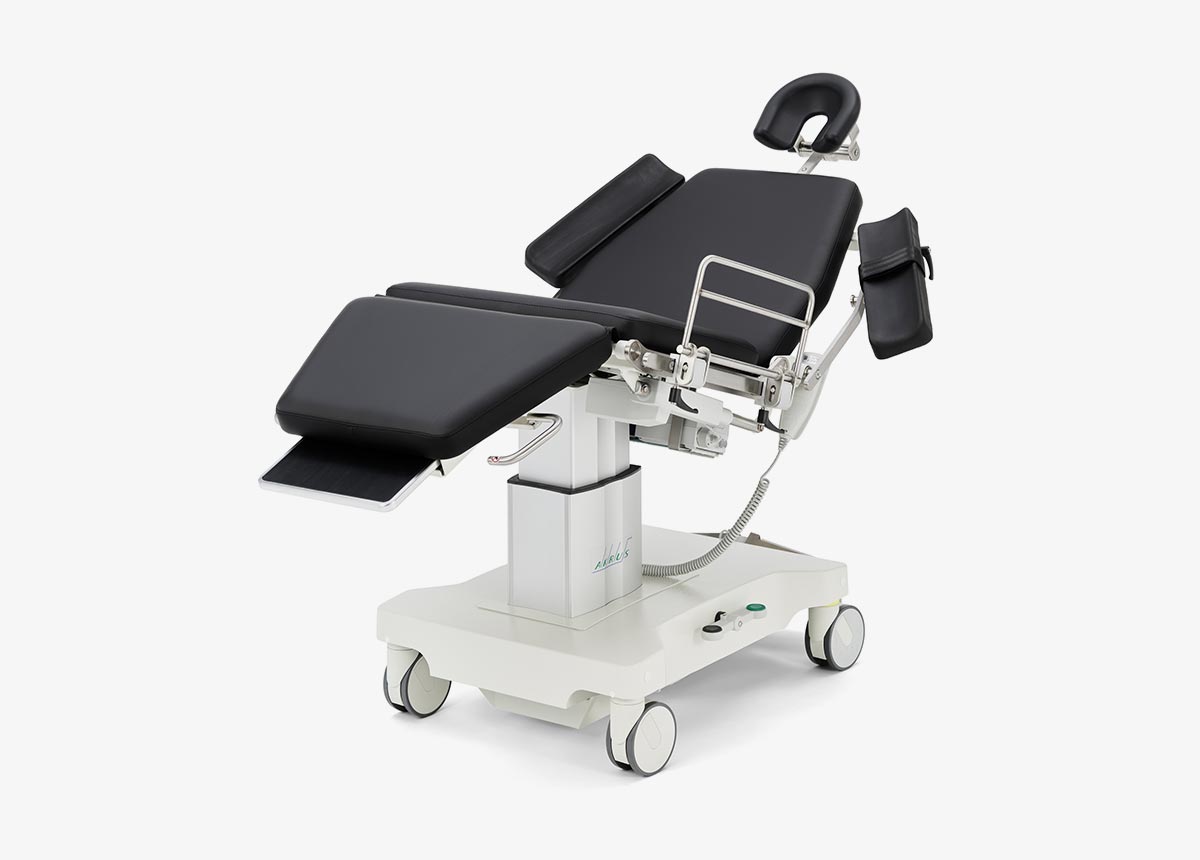
sc5010 HS

Mobile, battery-powered operating chair for versatile outpatient procedures in the head area (e.g. ENT, maxillofacial, plastic/aesthetic surgery) - with flexible positioning and good access to the operating field.
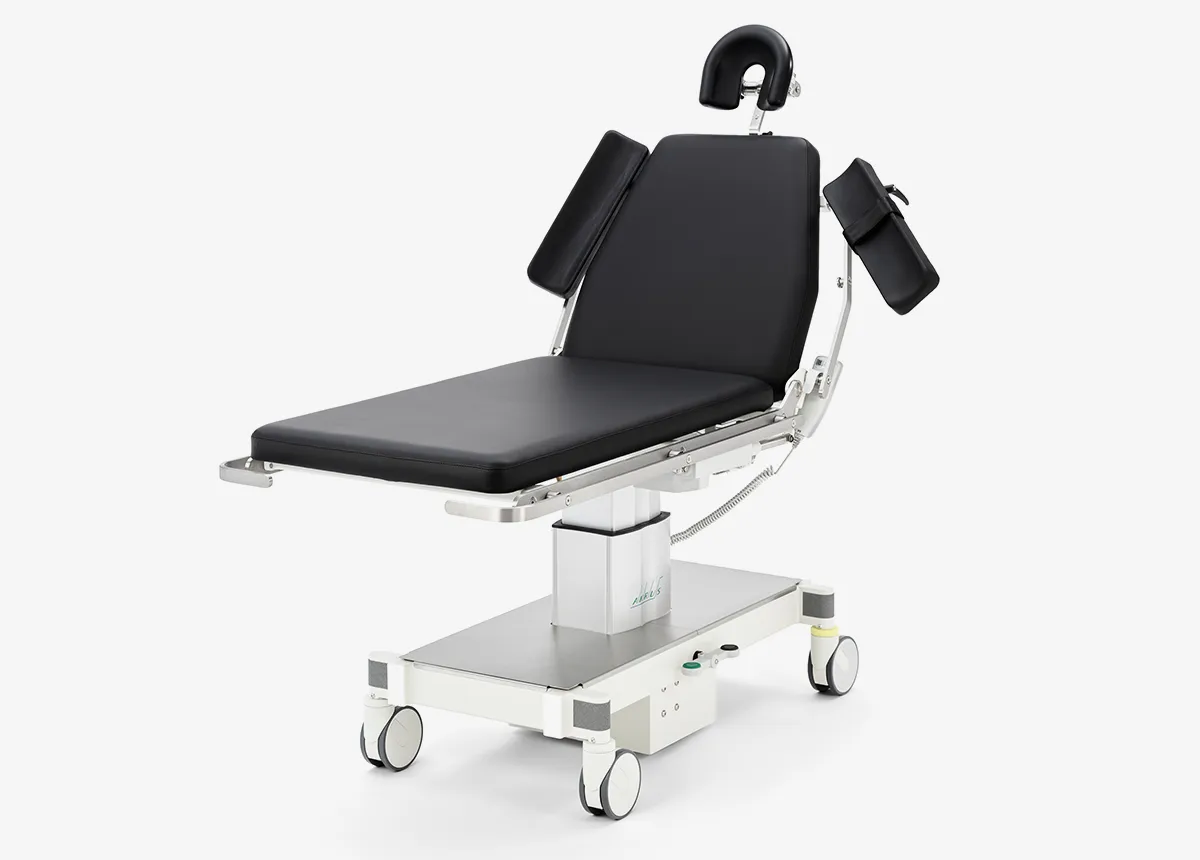
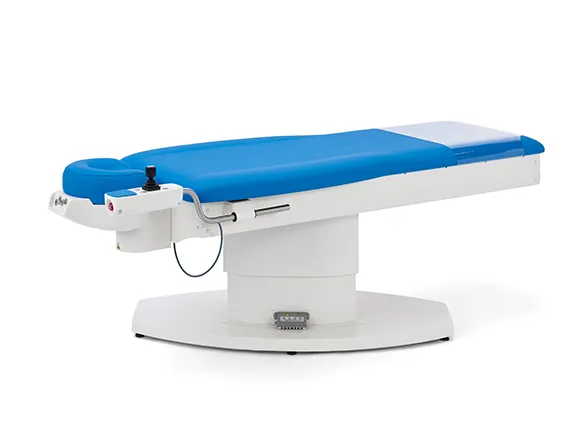
sb5010 ES

Mobile operating tables (SB = Surgical Bed) with continuous lying surface design. These models were developed for ophthalmology, ENT and plastic surgery applications and combine the advantages of a flat operating table with mobility. You can find more information on the respective product page.

sb5010 HS

Mobile, battery-powered operating table for versatile outpatient procedures in the head area (e.g. ENT, maxillofacial, plastic/reconstructive surgery) - with a 10 cm longer table surface compared to operating chairs.
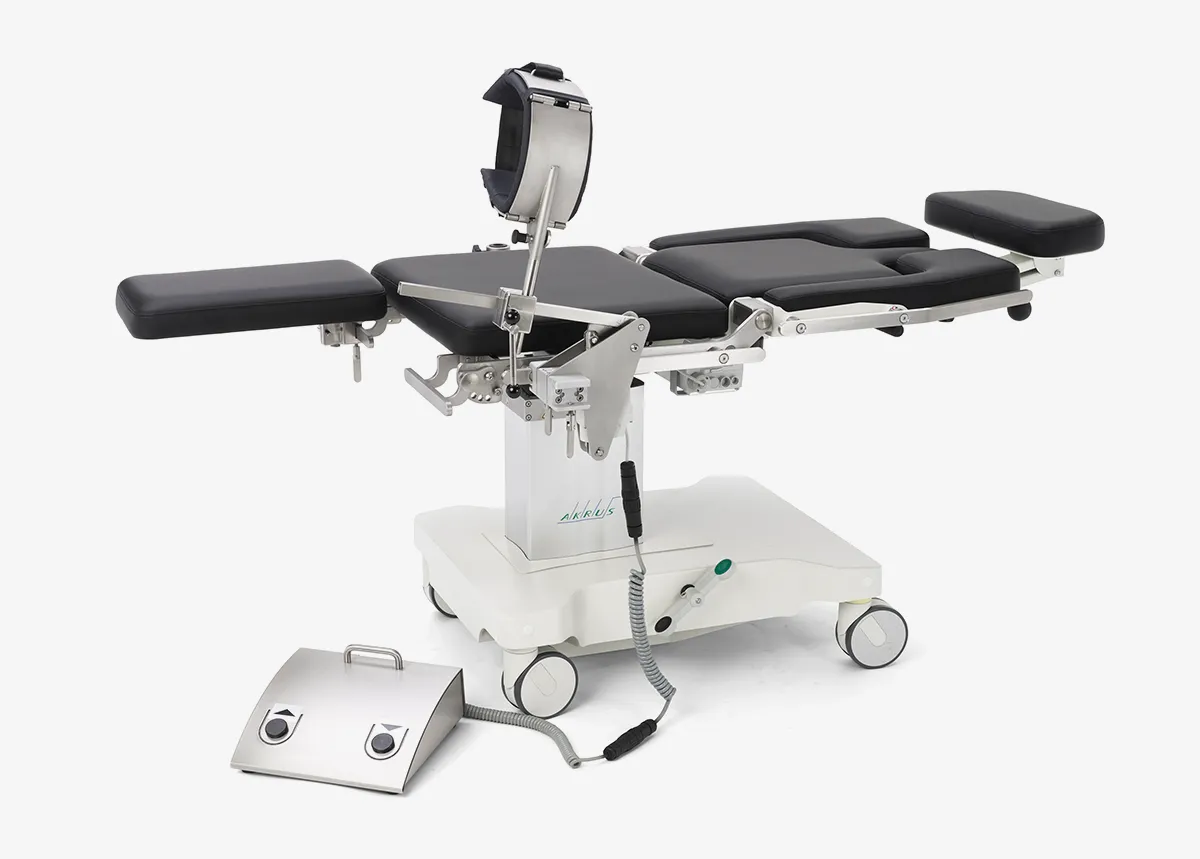
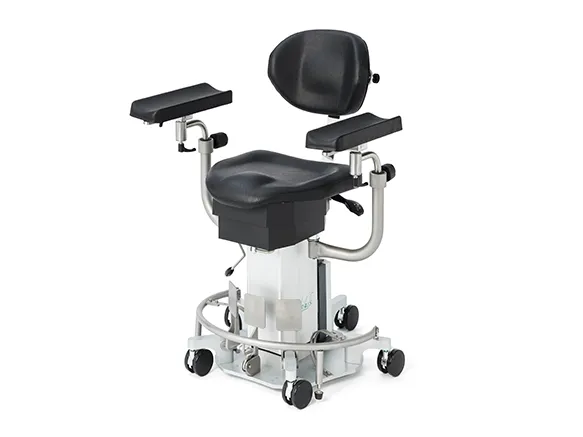
sc5010 SEK

Specialized mobile operating table for the shoulder-elbow-knee area. This model was developed for soft tissue treatment, arthroscopy and fracture treatment of the shoulder, knee, hand/arm and foot/leg. Further information can be found on the product page.

Areas of application and advantages of mobile operating tables

Mobile operating tables (also known as mobile operating tables ) are used wherever flexibility is required - in outpatient surgical centers, clinics and medical practices. They are suitable for numerous specialties: from plastic surgery and dermatology to ENT and oral and maxillofacial surgery through to ophthalmology and orthopaedics.

Besonders bei ambulanten Eingriffen optimieren sie den Workflow: Der Patient kann bereits auf der Liege in den OP gefahren werden und bleibt bis nach dem Eingriff darauf liegen. Das spart Zeit, reduziert Umlagerungen und entlastet das Team.

The most important advantages at a glance
  • Efficient workflow: transport, storage and surgery in one solution - fewer transfers, less effort.

  • Optimum positioning: many adjustment options for different procedures and patient situations.

  • Ergonomic working: Infinitely variable height adjustment and sophisticated positioning elements for the OR team.

  • Sicher & stabil: Feststellbremsen, Seitengitter, Akkubetrieb und Notfallpositionen für maximale Sicherheit.

  • Hygienic & durable: high-quality materials, robust surfaces and upholstery for everyday medical use.

  • Modularly expandable: accessories via standard rails - suitable for the specialist area and intervention.

  • Tested quality: DIN EN ISO 13485 certification, CE marking and MDR conformity.

FAQ - Frequently asked questions about our operating tables

1What is an operating table?
An operating table is a special piece of medical furniture that serves as a surface for patients to lie on during a surgical procedure. It forms the center of every operating room and is, so to speak, the "stage" of the operation. An operating table is robustly built, but at the same time offers a wide range of adjustment options (height, inclination, segmentation) in order to position the patient optimally and give the surgeon the best possible access to the surgical site. Typically, an operating table consists of a table column (the base with hydraulics/electronics) and a segmented table top with upholstery. There are standard rails on the sides for attaching accessories (e.g. armrests, instrument tables). In short, the operating table is an indispensable medical product in the operating theater that contributes significantly to patient safety, ergonomics and efficiency during surgery.
2Which operating tables are available?
A basic distinction is made between stationary operating tables (permanently installed in the operating room) and mobile operating tables (mobile models with wheels). Stationary tables are usually larger, modularly expandable and even more stable thanks to floor anchoring or ceiling suspension, while mobile operating tables can be used more flexibly and can also serve as a transport table. There are also special operating tables for specific disciplines, such as orthopaedic operating tables with extension mechanisms, radiolucent operating tables for radiology, ophthalmology operating chairs for eye operations or multifunctional tables (also known as operating tables) for minor procedures and examinations. Akrus focuses on mobile operating tables that offer electrical adjustability and multifunctionality. When choosing, you should pay attention to modularity, operation (manual vs. electric) and suitable accessory interfaces. We will be happy to advise you on which operating table is the right one for your purposes.
3What positioning is available in the OR?
Patient positioning in the operating theater is adapted to the respective procedure. Common types of positioning include the supine position (patient lying flat on their back, standard for many operations), the prone position (patient lying on their stomach, e.g. for spinal operations), the lateral position (patient on their side, e.g. for lung or hip operations) and the lithotomy position (legs raised/spread in leg rests, e.g. for urological and gynecological operations). There are also special positions such as the sitting position (e.g. in neurosurgery) or inclined positions. Mobile operating tables support all these positions with appropriate adjustment segments and accessories. It is important that the patient is always well padded and secured in order to prevent pressure points or injuries.
4Are you strapped down during an operation and can you fall off the operating table?
Patients are usually gently secured during an operation so that they do not slip unnoticed after anesthesia or injure themselves during reflex movements. A belt over the hips/thighs and fixed arm rests are common, for example. In addition, side rails, non-slip pads and, depending on the position, gel pads/formed pads ensure a secure hold - even when changing position (e.g. Trendelenburg). Mobile operating tables also have locking brakes to prevent the table from rolling away. The fixation is usually applied after induction of anesthesia and released again before the patient wakes up. This makes it extremely unlikely that the patient will fall off.
5How do you get from the operating table to the bed?
After the operation, patients are transferred to a bed or transport stretcher as soon as their circulation and condition are stable. They are often moved sideways using a sliding aid (e.g. sliding board or sliding sheet) so that the transfer is gentle and safe. The operating theatre and nursing staff always work as a team and use suitable aids to minimize strain and risks. Advantage of mobile operating tables: In outpatient settings or modern procedural concepts, the patient can sometimes remain on the same table that is moved out of the OR after the procedure - there is then no need for repositioning.
6How much does an operating table weigh?
The weight of an operating table depends on the model and design. A standard electric operating table weighs approximately 140 to 200 kg. Lighter mobile operating tables can weigh slightly less (some compact models ~100 kg), while very large, stationary operating tables with special accessories can weigh over 300 kg. The high weight results from the stable steel construction, the electric motors/hydraulic systems and the solid base, which ensures stability. Mobile operating tables also have an integrated chassis, which adds some weight. For the user, however, the dead weight is of little importance, as operating tables on castors are easy to push and do not usually need to be carried. What is more important is the load capacity limit for patients - and, as mentioned, this is usually 150-300 kg patient weight, depending on the model. As a guide: Akrus models are designed for up to 200 kg in the standard version; variants for up to 300 kg are available depending on the model.

Buy the right mobile operating table now - advice & service

With a mobile operating table from Akrus, you are investing in efficient processes, high safety and quality "Made in Germany" - in the operating theater, recovery area and treatment room. Our range offers the right solution for almost every application: from specialized mobile operating tables, e.g. for eye surgery, to universal all-rounders for outpatient operating centers.

Whether you buy directly from Akrus or through one of our dealers, our team will support you in selecting the right model - tailored to your specialty, area of application and requirements. On request, we can show you the functions in detail, discuss useful accessories and clarify all technical questions.

Contact us for a no-obligation consultation or request a quote directly. We will provide you with reliable support from the selection and punctual delivery through to instruction in the technology - so that your mobile operating table is ready for immediate use.