


Guide: Surgical tables
for ophthalmology
The appropriate patient positioning for examination, treatment and procedures
Precise patient positioning for cataract surgery, retinal surgery, and other ophthalmic procedures.
In ophthalmic surgery, the surgical table is the central work platform. It affects how still patients remain, how safely the eye can be accessed, and how ergonomically your team can work in the operating room.
What is a surgical table?
A surgical table is the table on which patients are positioned during surgery or treatment. It allows for specific positioning, promotes safety, and ensures consistent adjustments in everyday clinical practice.
In ophthalmology in particular, the quality of patient positioning is crucial to comfort, precision, and efficiency. Even the slightest head movements can affect the field of view under the surgical microscope and complicate the procedure.
A modern ophthalmic operating table therefore supports stable patient positioning, ergonomic workflows, and the highest level of safety in the operating room.
Areas of Application: What types of eye surgeries and procedures are available?
Ophthalmology involves a wide range of diagnostic and surgical procedures. The requirements regarding the positioning, accessibility and stability of the operating table vary depending on the procedure.
Cataract Surgery
Cataract surgery, which places high demands on keeping the patient in a calm and stable position.
Product: sc5010 ES
Glaucoma Surgery
Intraocular pressure-lowering procedures for the treatment of glaucoma with precise positioning of the anterior chamber.
Vitreoretinal Surgery
Retinal and vitreous procedures that place particularly high demands on stability and ergonomics.
Corneal Surgery
Precise procedures on the cornea, such as keratoplasty or other reconstructive procedures.
Eyelid and Lacrimal Duct Surgery
Surgeries in the periocular region with varying requirements for access and patient positioning.
Refractive Surgery
LASIK, PRK, and other procedures for correcting refractive errors in appropriate settings.
Product: LS Comfort
Positions in the Operating and Treatment Room
A high-performance operating table should be able to safely support various positions. Depending on the procedure, different patient positions may be required.
Trendelenburg
In the Trendelenburg position, the patient lies with the head lower than the feet. Proper restraint, slip protection, and clear team responsibilities are essential.
Reverse Trendelenburg
The reverse Trendelenburg position places the patient in a head-up position. It can enhance comfort and facilitate access in certain situations.
Neutral Position
The horizontal neutral position is the standard position for many ophthalmic procedures. Stable and reproducible positioning of the head is crucial.
Semi-sitting position
A semi-seated position can be useful when the upper body needs to be moderately upright. A stable backrest is essential for this.
Lateral positioning
Depending on the design and the procedure, a lateral tilt may be incorporated. In such cases, special attention must be paid to safety, stabilization, and accessibility.
Requirements for an Ophthalmic Operating Table
In ophthalmology, the operating table plays a particularly important role. Stability, precise adjustment, ergonomic working heights, and practical features are crucial for safe and efficient procedures.
Patient Positioning in the Head Area
For eye surgery, proper positioning of the head is crucial. The headrest should move smoothly without any play; a suitable headrest reduces unwanted movements and improves patient comfort. Well-designed padding helps distribute pressure, especially during longer procedures.
Access and Work Positions
A segmented tabletop facilitates access for microscopes, lasers, and monitoring equipment. The backrest and back section should be adjustable in a controlled and uniform manner so that the upper body can be raised as needed without lifting the head along with it.
Height Adjustment and Ergonomics
Height adjustment must be quick, precise, and safe. A suitable working height reduces strain on the shoulders and neck of both the surgeon and the assistant and improves ergonomics throughout many procedures.
Stability and Resilience
Stability is a key safety factor in ophthalmology. Reliable locking mechanisms, non-slip pads, intuitive operation, and sufficient load capacity to accommodate the patient’s weight, positioning aids, and additional loads are all important.
Mobility and Transportation
Mobility is an advantage for outpatient procedures. A mobile operating table can be moved between the preparation area, the examination room, and the operating room. Swivel castors and effective brakes help ensure a safe workflow.
AKRUS Solutions for Ophthalmology
AKRUS offers mobile operating room solutions that support precise patient positioning, ergonomic working conditions, and flexible applications in medical practices, surgical centers, and hospitals.
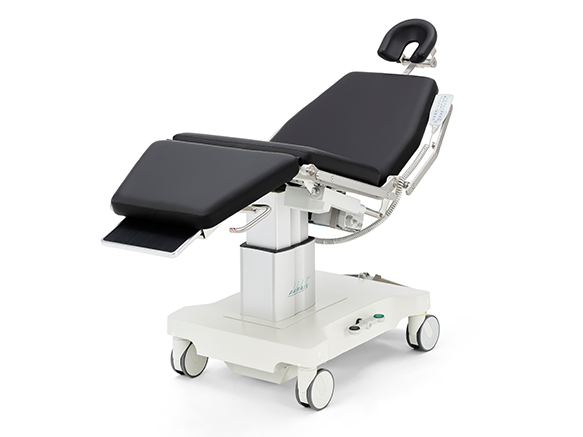
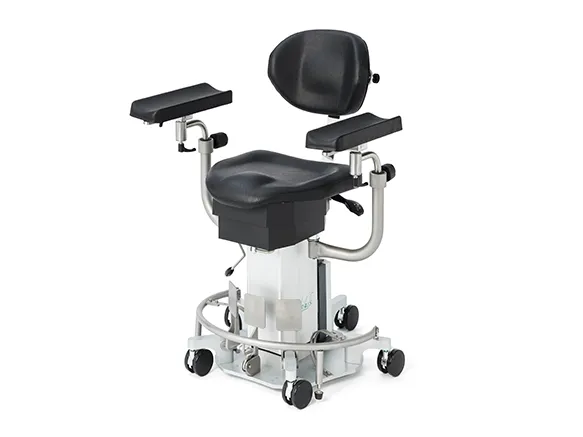
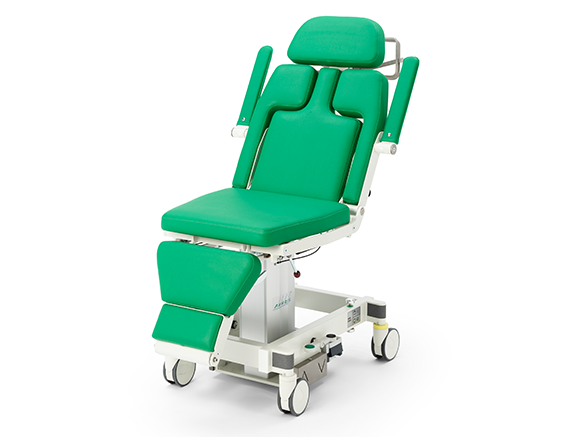
sc5010 ES
- Mobile Surgical Chair for Ophthalmology
- Ergonomic positioning, flexible operation
- Battery-powered, portable, and safe
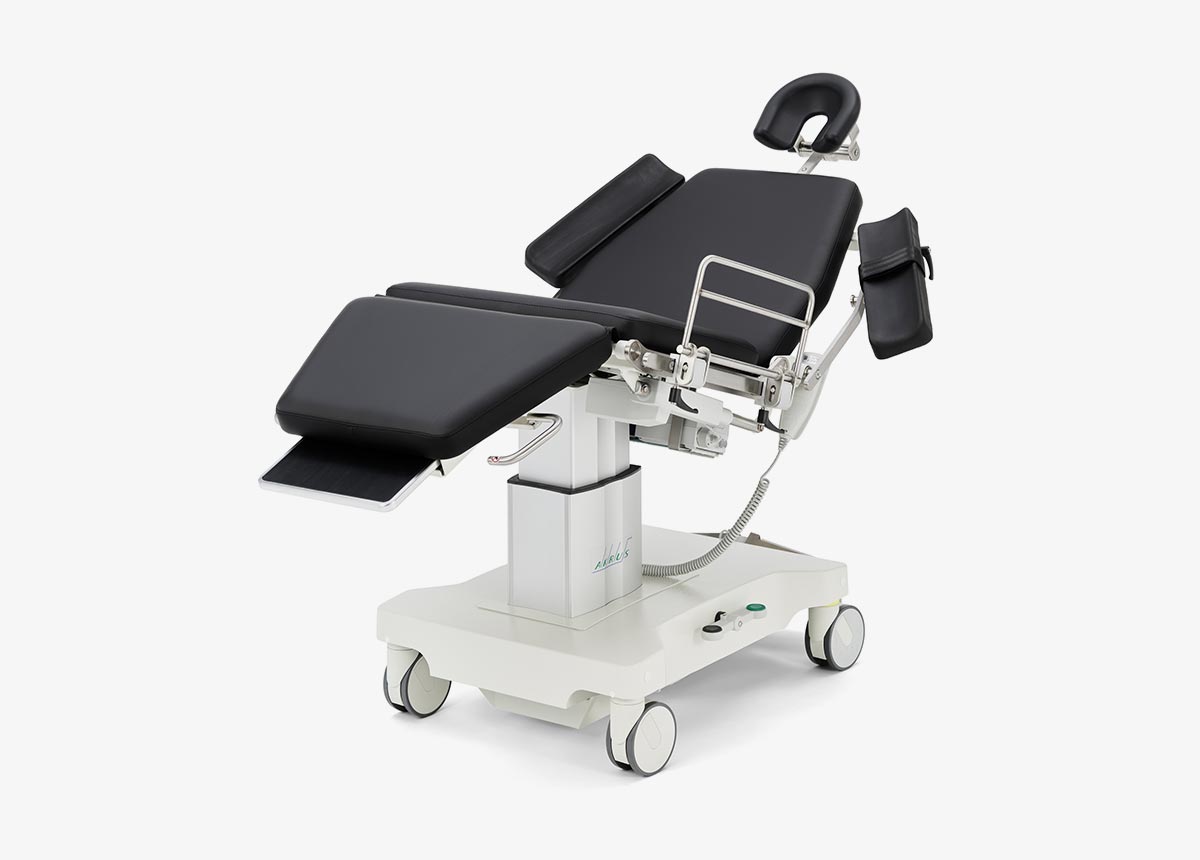
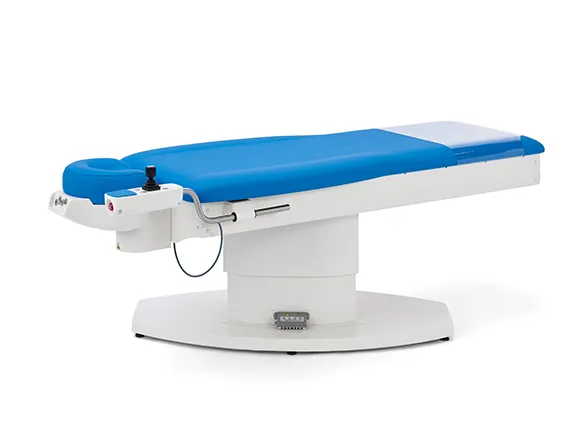
sb5010 ES
- Mobile Surgical Table for Ophthalmology
- Designed for outpatient procedures
- Focus on Ergonomics, Functionality, and Reliability
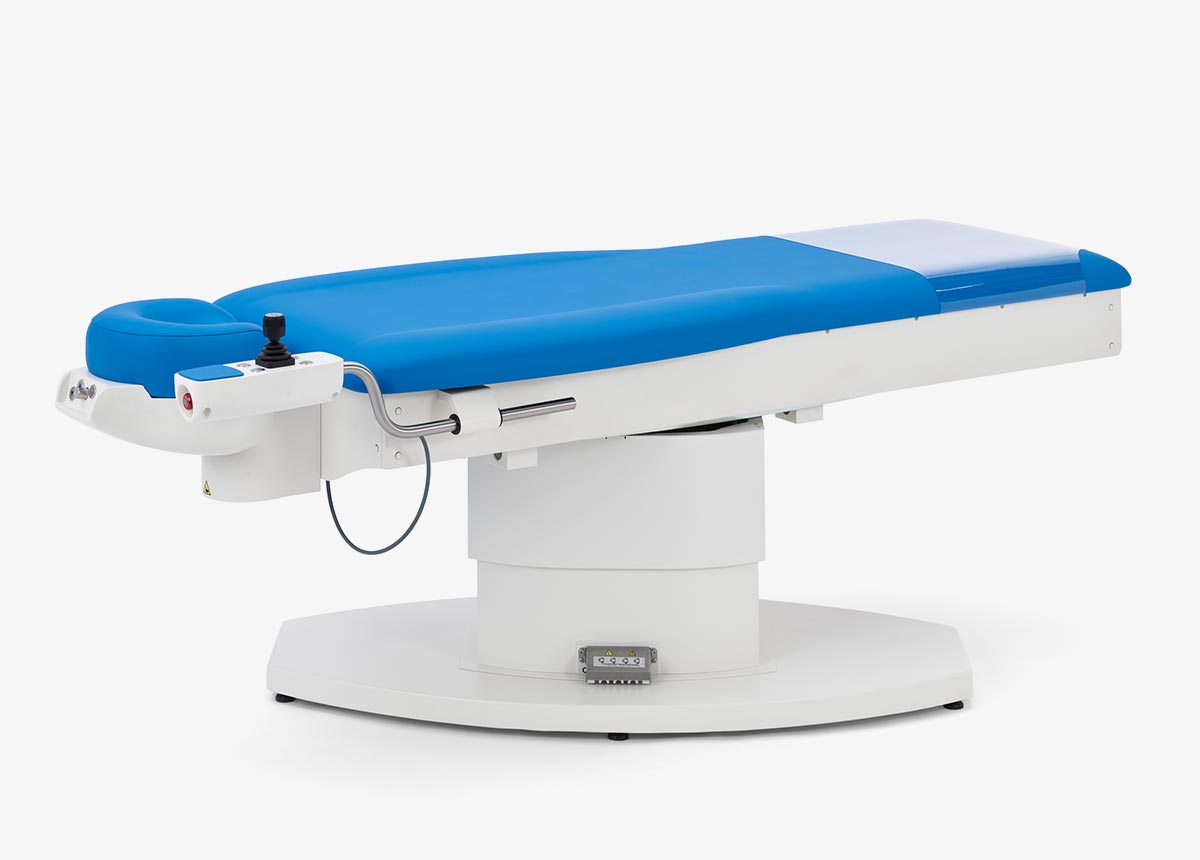
LS Comfort
- Patient table for refractive laser surgery
- High-precision adjustment options
- Established as a “state-of-the-art” product
Additional Surgical Chairs and Surgical Tables for Ophthalmology
sc5010 HS
The sc5010 HS (Head Surgery) chair model is designed for procedures on the head.
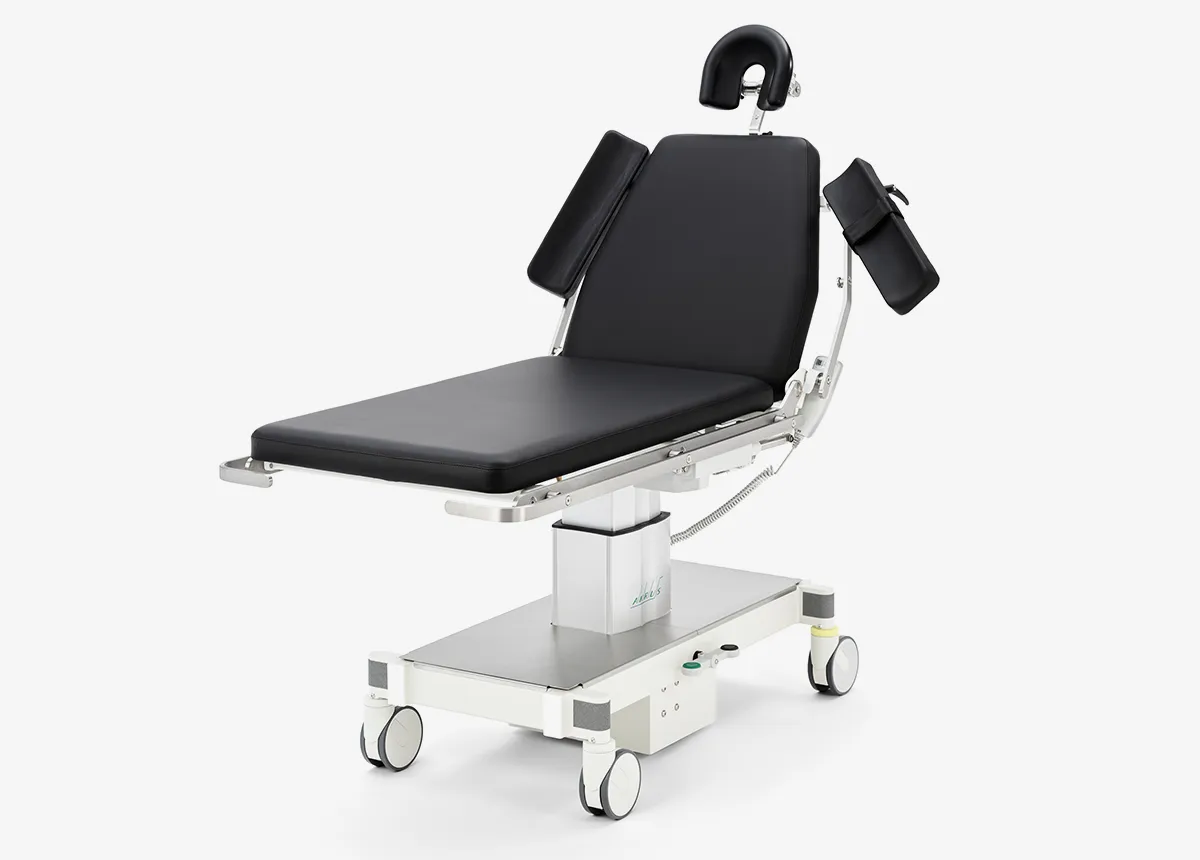
sb5010 HS
A variation of the sb5010 ES with an increased minimum height.
Proper patient positioning starts with the right operating table.
AKRUS can help you choose a solution for your medical practice, surgical center, or hospital.
Selection Guide: Which Solution Is Right for Your OR?
The right solution depends on the intended use, the available space, the desired working height, and the required positioning options.
- Define the scope of application
- Determine the required working height
- Review spatial planning
- Define positioning requirements
- Select accessories
- Take the patient's weight and the size of the treatment surface into account
FAQ: Frequently Asked Questions About Surgical Tables in Ophthalmology
What types of eye surgeries exist?
Examples include cataract surgery, glaucoma surgery, vitreoretinal surgery, corneal surgery, and eyelid and lacrimal duct procedures.
How many kilograms can a surgical table support?
That depends on the model. The key factors are the specified weight capacity, safe use in various positions, and sufficient capacity for accessories and positioning aids.
How do you lie on an operating table?
In ophthalmology, the patient usually lies on his or her back. The headrest and backrest are adjusted so that the head is stabilized and the eye is optimally accessible.
What is a gun mount?
n the context of operating tables, the term “gun mount” often refers to a mobile base or transport frame used to move the table into the operating room.
What should be kept in mind when positioning at 30°?
It is important to relieve pressure, provide stable support, prevent slipping, and establish clear team protocols.
What is the Trendelenburg position?
The Trendelenburg position refers to lying on one's back on an inclined surface, with the head lower than the body.
Are you looking for an operating table for ophthalmology?
Together, we'll find the right solution for your needs in your practice, surgical center, or hospital.