


Guide:
Surgical Equipment for ENT
AKRUS Solutions for Precise Storage and Ergonomic Workflows
AKRUS operating tables, surgical chairs, and medical stools help you perform treatments and procedures in the field of otolaryngology safely, comfortably, and cost-effectively.
Why Is Having the Right ENT Equipment So Important?
In the field of otolaryngology, you work in confined spaces and with a high degree of precision on the head. This requires solutions that allow unobstructed access to the patient, support stable positioning, and can be flexibly adapted to different examination, treatment, and surgical situations.
Ergonomically designed dental equipment promotes a comfortable working posture for the dentist and can reduce physical strain during lengthy examinations and treatments. The materials and construction must also allow for hygienic cleaning and withstand the demands of daily use in dental practices, outpatient clinics, and hospitals.
Well-designed equipment in ENT therefore does not start with individual products, but with the interaction of all components. Whether in the office, the outpatient clinic, or the operating room: patient positioning, ergonomics for the practitioner, mobility within the space, and supplementary accessories should be optimally coordinated.
Areas of Application: What types of surgeries and procedures are performed in ENT?
Depending on the application, the requirements for patient positioning, access to the treatment site, and head positioning vary.
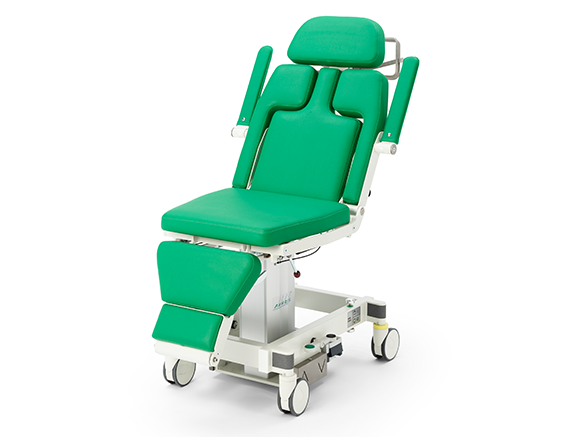
The following examples illustrate typical applications and procedures in otolaryngology (ENT) where, among other things, the SC 5010 HS and SB 5010 HS ENT treatment chairs can be used. This list is not exhaustive.
Nose Surgery
During septum surgery and endoscopic procedures, the nasal area should remain fully accessible, and the head should be kept still.
Ear Surgery
During procedures on the outer, middle, or inner ear, positioning the head to the side or adjusting its position is crucial for gaining access to the affected ear.
Tonsils / Throat Surgery
In tonsillotomies or tonsillectomies, the primary goal is to ensure unobstructed access to the oral and pharyngeal cavities.
Larynx / Vocal Cords
During procedures on the larynx and vocal cords, proper head and neck positioning facilitates visualization of the larynx.
Head and Neck Surgery
For procedures in the head and neck region, patient positioning must be flexibly adjusted to the specific surgical site, the extent of the procedure, and the required access.
Salivary Glands / Neck Surgery
During surgery on the salivary glands and neck structures, it may be necessary to rotate and extend the head and neck in a specific manner, depending on the side being operated on.
General Examinations and Treatments
During diagnostic examinations and outpatient treatments as well, flexibly adjustable patient tables facilitate proper positioning and provide easy access to the head and neck area. In addition, ergonomic surgical stools and doctor’s stools contribute to a comfortable working posture and efficient workflows for the treatment team.
Positions in the Operating Room and Treatment Room
The seated or largely upright position is suitable for numerous examinations and treatments in the ENT field. A comfortable entry point, secure positioning, and a work surface that can be adjusted to suit both the patient and the practitioner facilitate the treatment process.
In ENT surgery, the head area is particularly important. Depending on the procedure, the relevant area of the face or the ear must be easily accessible.
Seated Position
The seated or largely upright position is suitable for numerous ENT procedures. It is important to have easy access to the chair, secure positioning, and a working height that can be adjusted to suit both the patient and the practitioner.
Semi-seated position
In the semi-sitting position, the back and leg sections are adjusted so that the upper body is slightly upright and the patient is comfortably supported.
Lying-down position
During surgical procedures or extended treatments, it may be necessary for the patient to lie down. A stable lying surface and an individually adjustable head position help ensure that the procedure proceeds smoothly.
Trendelenburg
In the Trendelenburg position, the body is positioned with the head lower than the feet. It is used primarily as an emergency positioning technique. Secure positioning, slip protection, and clear team procedures are essential.
Requirements for Surgical Chairs and Operating Table for ENT
The requirements for ENT equipment stem primarily from the nature of the work performed in the head region. Precise positioning, good accessibility, flexible adjustment, and ergonomics are crucial in this regard.
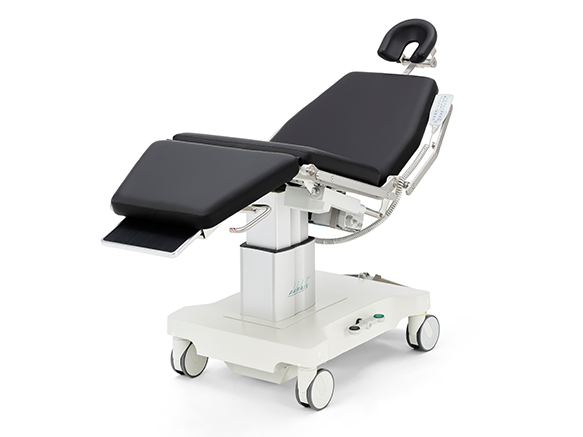
The sc5010 HS allows for individual adjustment of the head, back, seat, and leg sections.
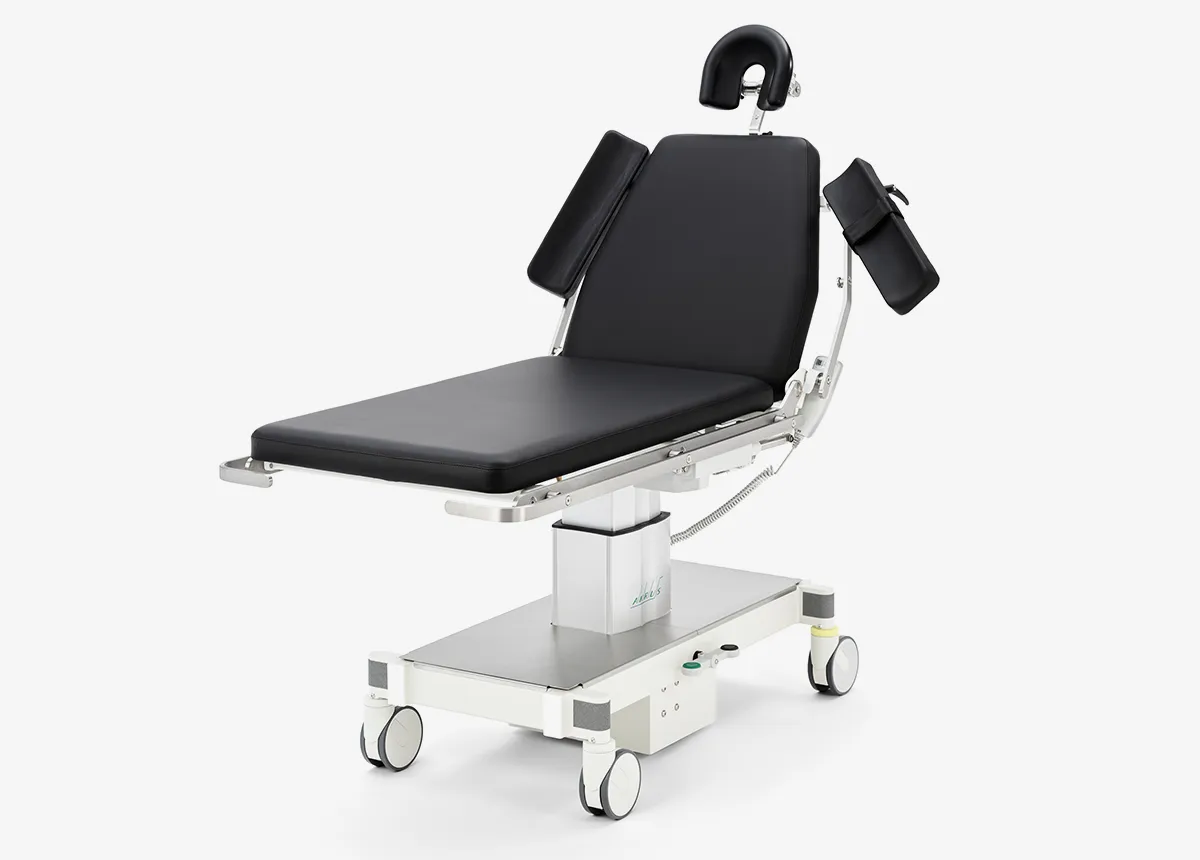
The sb5010 HS also offers various adjustment options for the head, back, and lying surface.
Patient Positioning
Proper head positioning is essential in ENT procedures. A variety of headrests and positioning options make it possible to tailor the patient’s position to the treatment, the patient, and the treatment team’s preferred working method.
Height Adjustment and Ergonomics
Height-adjustable treatment systems make it possible to adapt the patient's position to the treatment while also setting an ergonomic working height for the treatment team. Another major advantage is the ample legroom, which promotes a natural and comfortable working position.
Comfort During Longer Treatments
Stable yet comfortable positioning is also important during longer examinations and treatments. Individually adjustable segments and appropriate padding help ensure a comfortable position—both in the treatment room and during surgical procedures.
Mobility in the Treatment Process
Mobile systems offer advantages in both outpatient treatment areas and the operating room, as they allow patients to be positioned flexibly and moved within the treatment environment. The mobile AKRUS operating room chairs and operating room tables support this with battery-powered operation and a base equipped with steerable and lockable casters.
AKRUS Solutions for ENT
For applications in the field of otolaryngology, we offer a variety of solutions that combine patient positioning with ergonomic design for healthcare providers.
sc5010 HS
- For ENT and other applications in the head and neck region
- Individually adjustable head, back, seat, and leg sections
- Battery-powered and portable
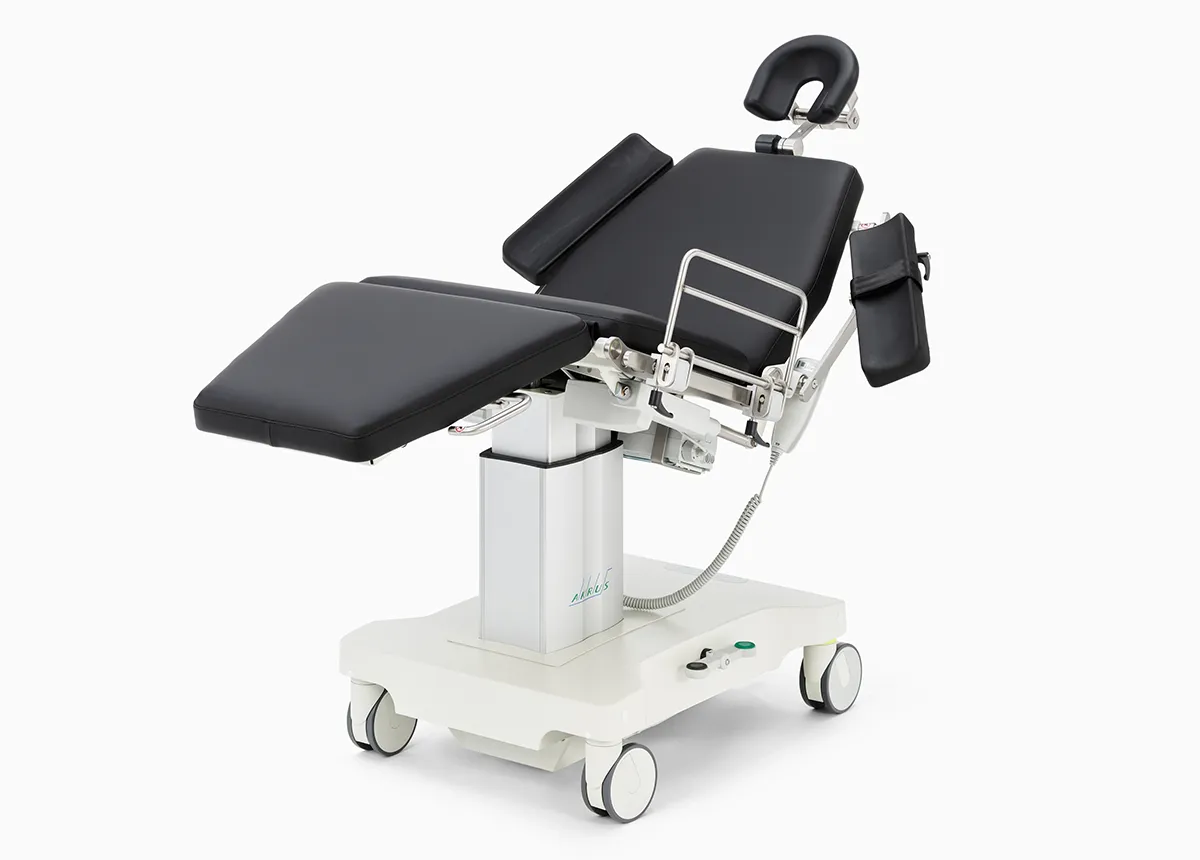
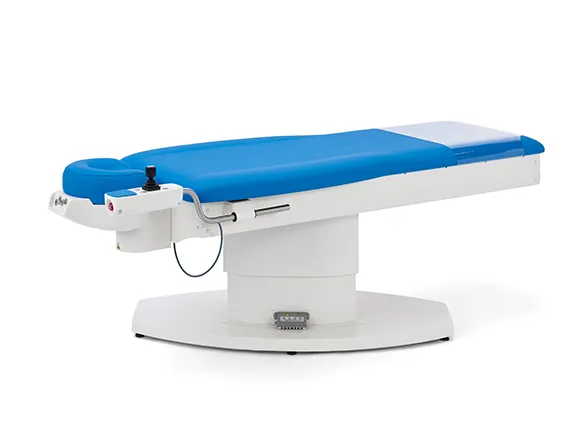
sb5010 HS
- Mobile Surgical Table for ENT Procedures
- 10 cm longer lying surface compared to mobile operating room chairs
- Individually adjustable head, back, and leg sections
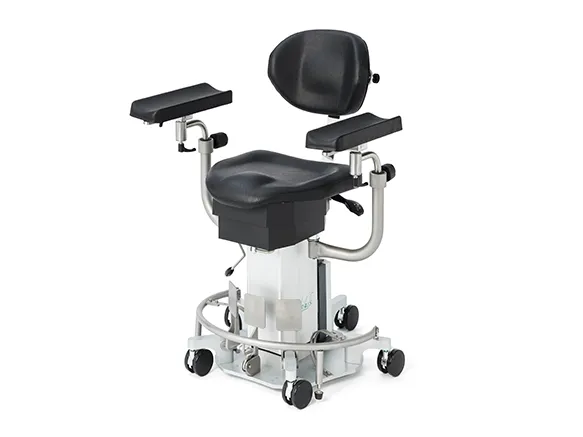
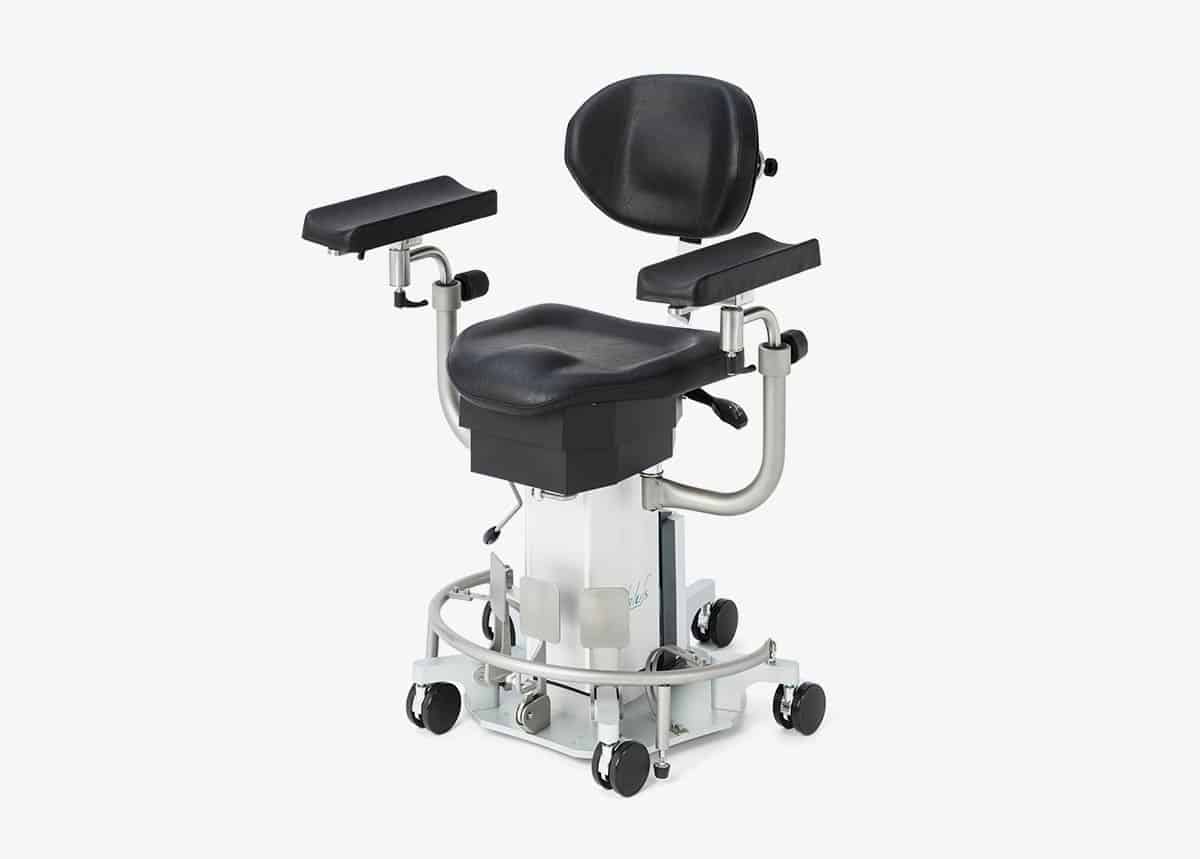
ak480 Surgical Chair
- Electrically Height-Adjustable Surgeon's Chair
- Ergonomic seating position with flexibly adjustable armrests
- Battery-powered and on casters with brakes
Additional Equipment and Accessories for the ENT Workstation
A functional ENT workstation isn't limited to just the surgical chair or operating table. Depending on the application, additional components can improve ergonomics and workflow.
Our surgical chairs and operating tables are equipped with high-quality upholstery and are available in
a variety of upholstery thicknesses and colors.
For our sc5010 HS, we offer a variety of headrests and positioning options. These
include, for example, a multi-joint headrest with a flexibly adjustable two-point retention system that
is specifically designed to expose the respective side of the face or the ear.
ak445 - ak447 and ak480
The classic among doctor's stools.
sb5010 ES
The Mobile Surgical Table with a View of the Eye
sc5010 ES
The Portable Surgical Chair for Ophthalmology
Additional Accessories (Selection)

Surgical Equipment for ENT
Multi-joint headrest (2-point headrest)
Headrest with a flexibly adjustable 2-point head retention system, designed to expose the respective side of the face or the ear, without a headrest bracket

| Item No. | 241.030648 |

Surgical Equipment for ENT
Armrest for Doctors
Wrist support for the surgeon, height-adjustable, relieves strain on the surgeon's forearms and wrists during the procedure

| Item No. | 240.030400 |

Surgical Equipment for ENT "
" Instrument Tray - Swiveling
For all mobile surgical chairs and operating tables, including a mounting kit for the lift column housing; swivels, tilts, and is height-adjustable; delivered fully assembled to the surgical chair or operating table

| Item No. | 275.020400 |

Surgical Equipment for ENT
Headrest (Recessed), Complete
U-shaped headrest, with a recess to cradle the back of the head, adjustable, removable integral foam cushion, without headrest mount

| Item No. | 241.030690 |
The right ENT equipment starts with AKRUS
We'll help you choose the right solution for your ENT practice, outpatient surgery center, or clinic.
Selection Guide: Which Solution Is Right for Your ENT Workstation?
The appropriate equipment depends on the intended use, the available space, and the requirements for patient and practitioner positioning.
- Define the scope of application
- Determining Patient Positions
- Take the patient's size and physical capacity into account
- Check the working height and ergonomics
- Take mobility and land-use planning into account
- Select the Right Accessories
FAQ: Frequently Asked Questions About ENT Equipment
What types of surgeries and procedures are performed in ENT?
The department’s services include, among other things, endoscopic procedures such as functional endoscopic sinus surgery (FESS), microscope-assisted procedures, and laser and radiofrequency surgery. The use of cochlear or bone-conduction implants is also part of the modern ENT practice.
Which AKRUS products are suitable for the field of otolaryngology?
The sc5010 HS was developed specifically for head treatments. It is designed for ENT and maxillofacial surgery, as well as other surgical applications in the head region, and can be flexibly adjusted from a seated position to accommodate various treatment and positioning scenarios.
When is a surgical table useful for ENT procedures?
A surgical table can be particularly useful when a longer lying surface and a predominantly supine patient position are required. Compared to mobile surgical chairs, the sb5010 HS offers a lying surface that is 10 cm longer and is specifically designed for ENT applications.
Why is head positioning important during ENT procedures?
Many ENT procedures are performed directly in the area of the nose, ear, throat, or face. Patient positioning should therefore ensure that the head is stable while also allowing for the widest possible access to the treatment site.
What accessories are available for ENT applications?
Various headrests, armrests, foot controls, and an instrument tray are available for the sc5010 HS. The configuration can be supplemented with AKRUS physician's stools and the surgeon's chair.
What role does ergonomics play for the surgeon?
Especially during longer procedures or those requiring fine motor skills, a suitable working height can reduce strain on the back, neck, and shoulders. In addition to patient positioning, an ergonomic surgical chair such as the ak480 can support the surgeon's sitting position.
Are you looking for the right equipment for ENT?
Together, we’ll find the right solution for your needs in a medical practice, outpatient surgical center, or hospital—from patient positioning with the sc5010 HS or sb5010 HS to an ergonomic seating solution for the surgeon.