



Internal AKRUS Conference
20. March 2026
Flexible Medical Technology for Practices and Clinics
9. April 2026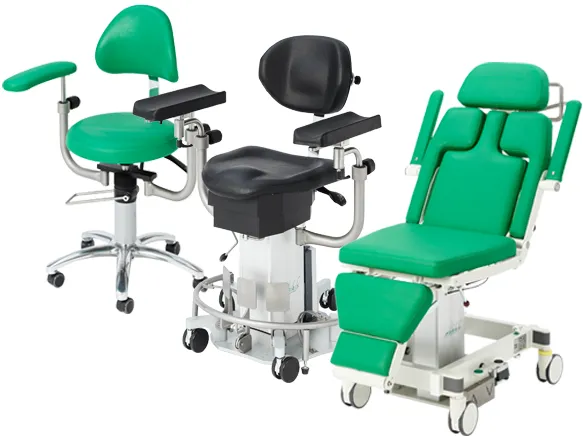

Why First Impressions Do Matter
In medical technology, functionality comes first. A product has to be reliable, perform well in everyday use and make work in medical environments noticeably easier. At the same time, practice shows time and again that design also plays a role — not as a secondary aspect, but as part of the overall impression.
When technology meets everyday practice
Anyone entering a treatment room notices more than just the equipment. They also sense whether the space feels calm, clear and well thought through. That is exactly where design begins. It is not only about shapes and colours, but about trust, orientation and the feeling of being in a professional environment.
This becomes especially clear in the small moments of everyday practice. When a room is prepared for the next patient, everything is in its place and the environment feels coherent, a positive impression is created immediately. Often, it is precisely these unspoken impressions that stay in people’s minds.
Different requirements come together, particularly in practices and clinics. Doctors expect functionality, ergonomics and smooth workflows. Teams working day to day value solutions that integrate naturally into their working environment. Patients, in turn, notice very directly whether a space feels welcoming, high-quality and pleasant. In this way, design becomes far more than a question of appearance: it supports orientation, creates a sense of calm and makes quality visible.
When colours are more than just a detail
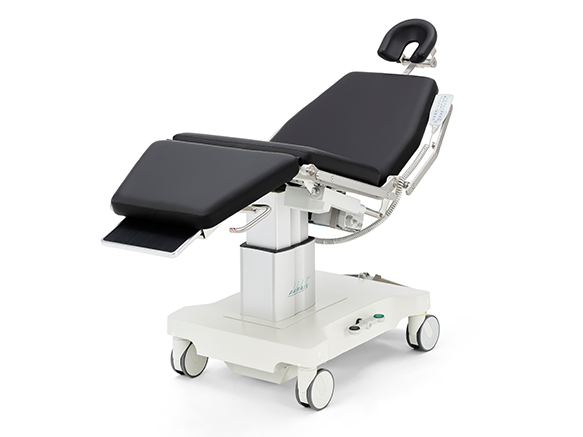
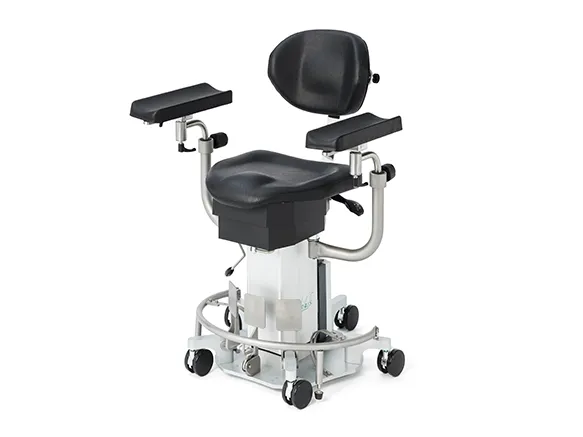
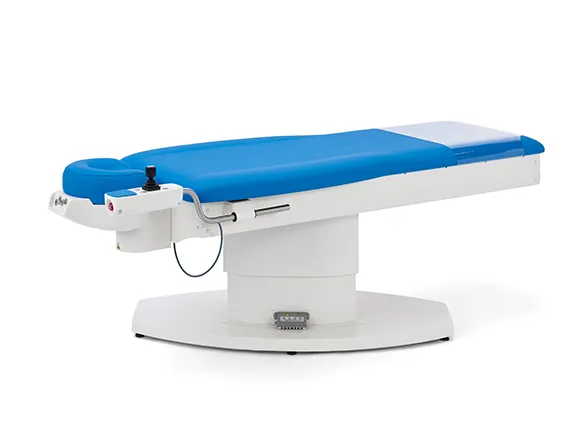
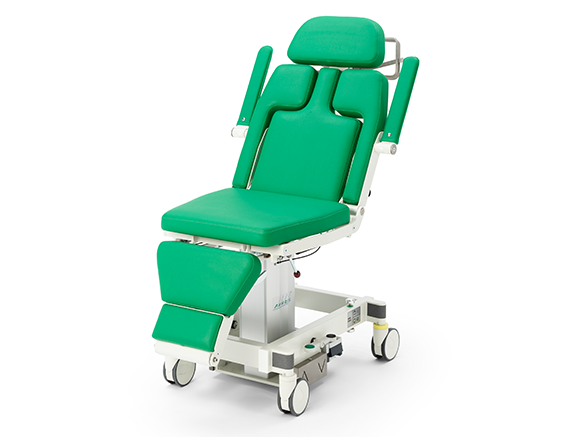
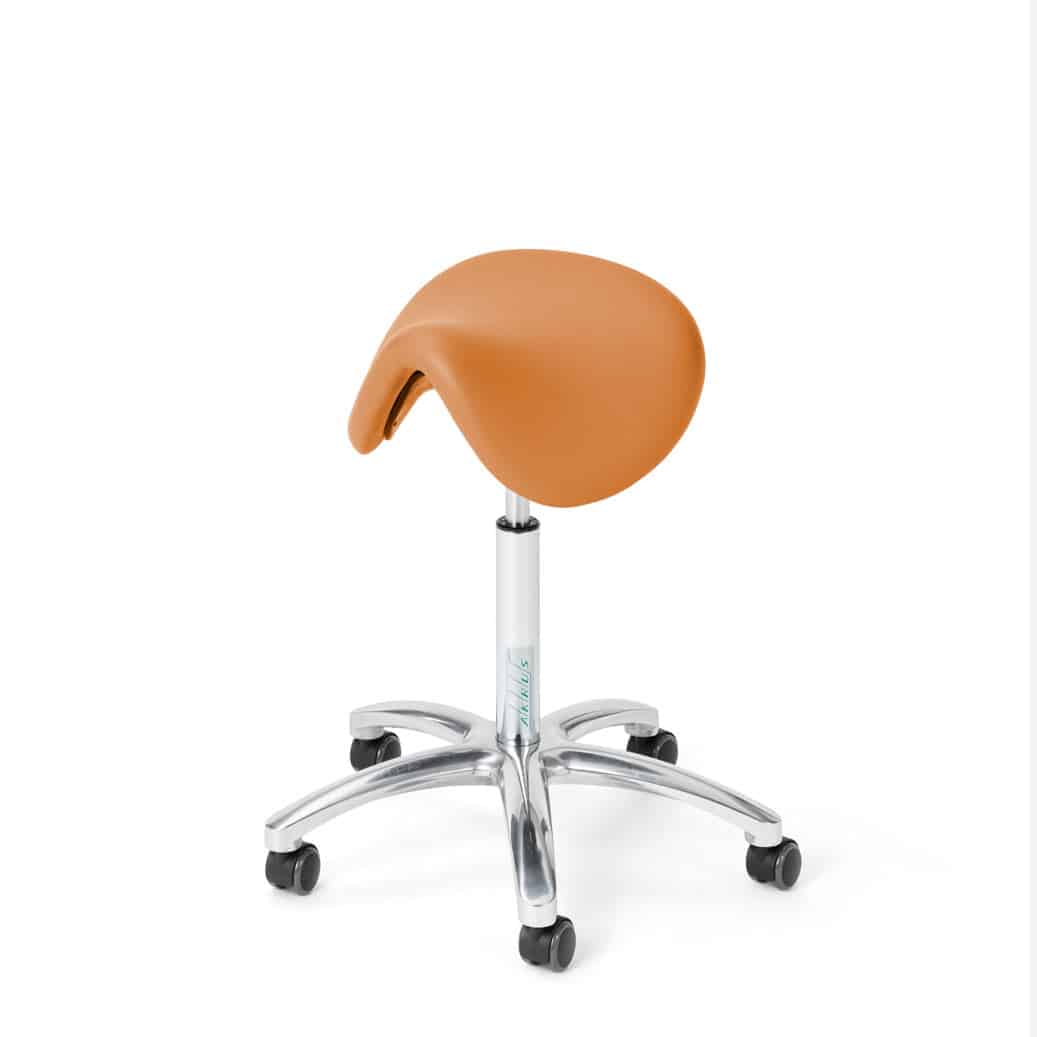
A good example of this is the AKRUS mobile operating chair sc5010 ES or sc5010 HS. It was developed for ambulatory applications and is used, among other areas, in ophthalmology, ENT/maxillofacial surgery, and plastic and aesthetic surgery. Different upholstery colours and two upholstery thicknesses are available; 16 colours can be selected as part of the standard range. Other products, such as stools and the mammography chair, are also available in different colour options and can therefore be tailored specifically to customers’ practical and design requirements.
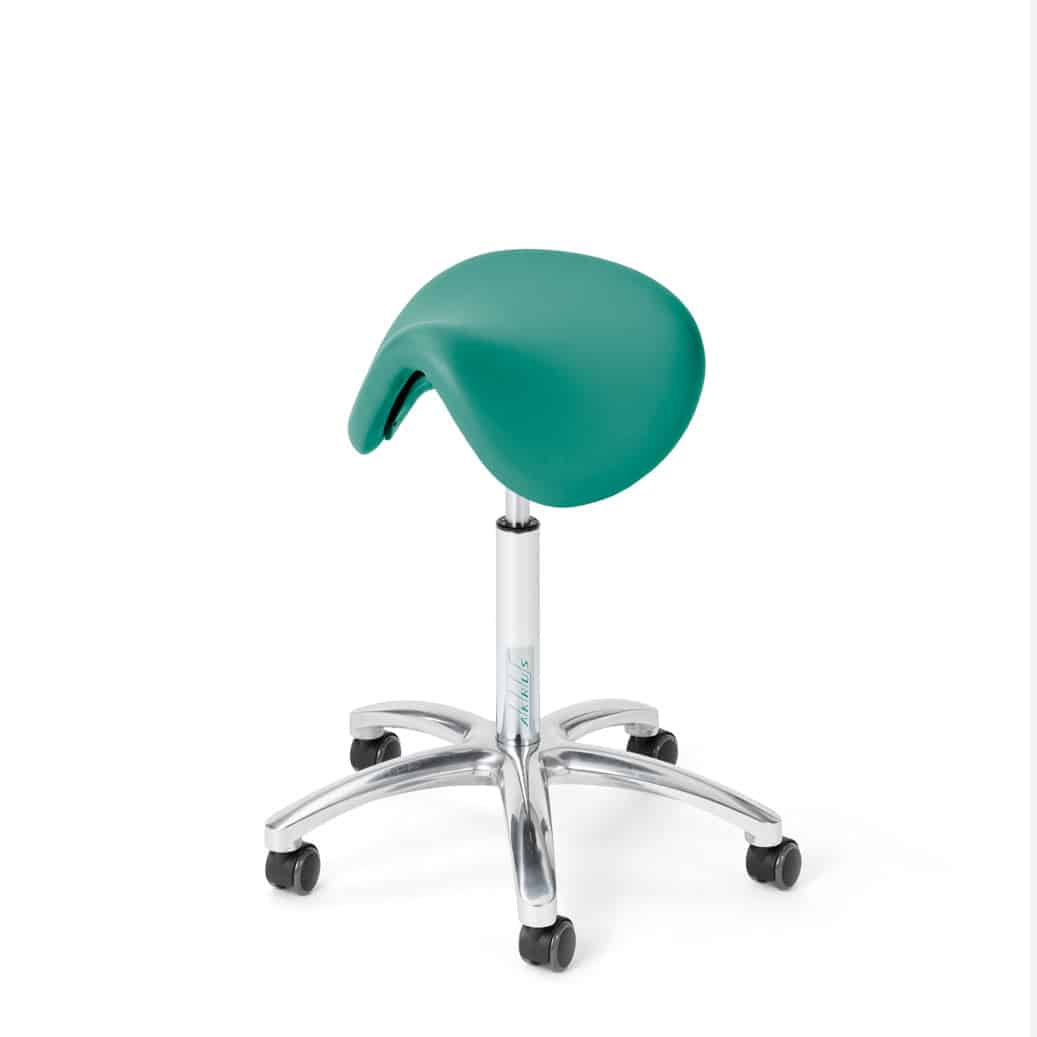
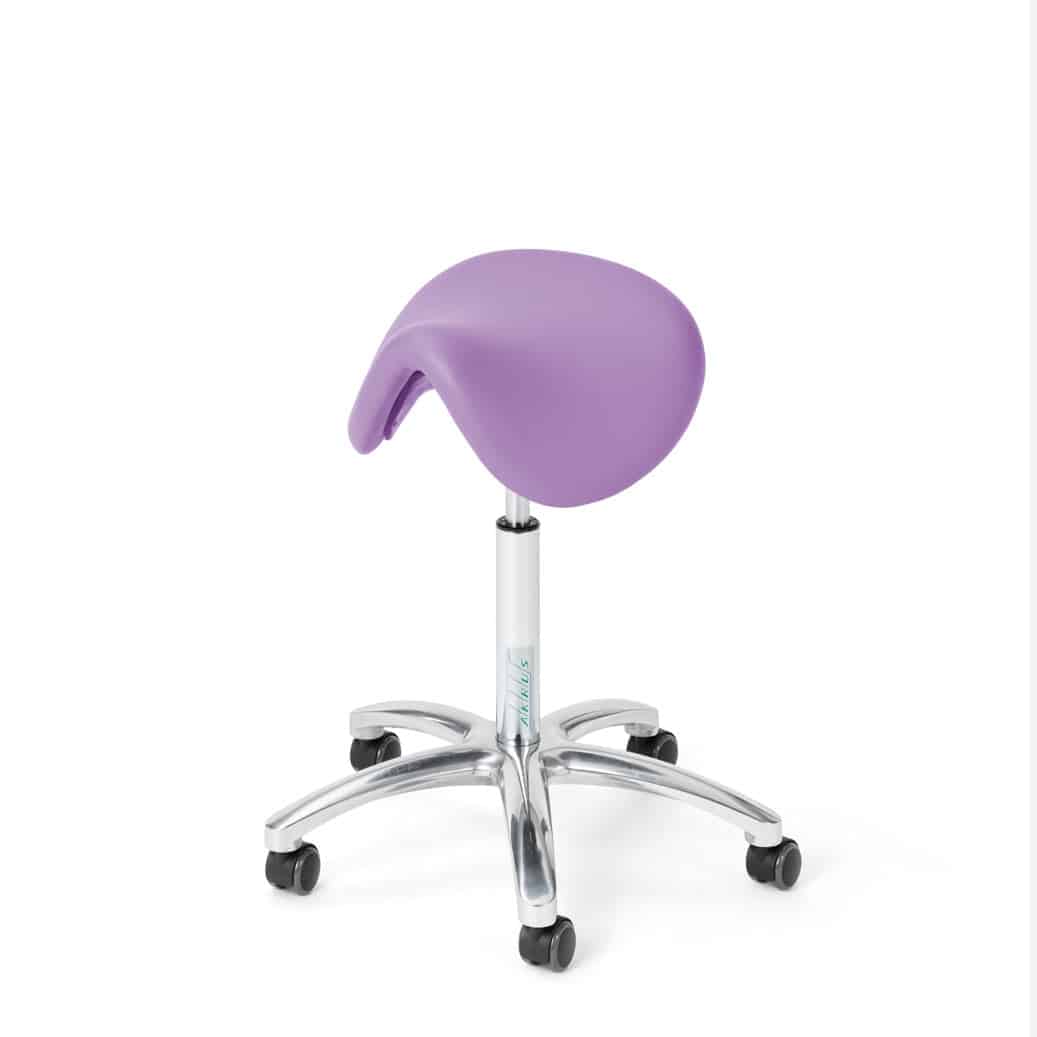
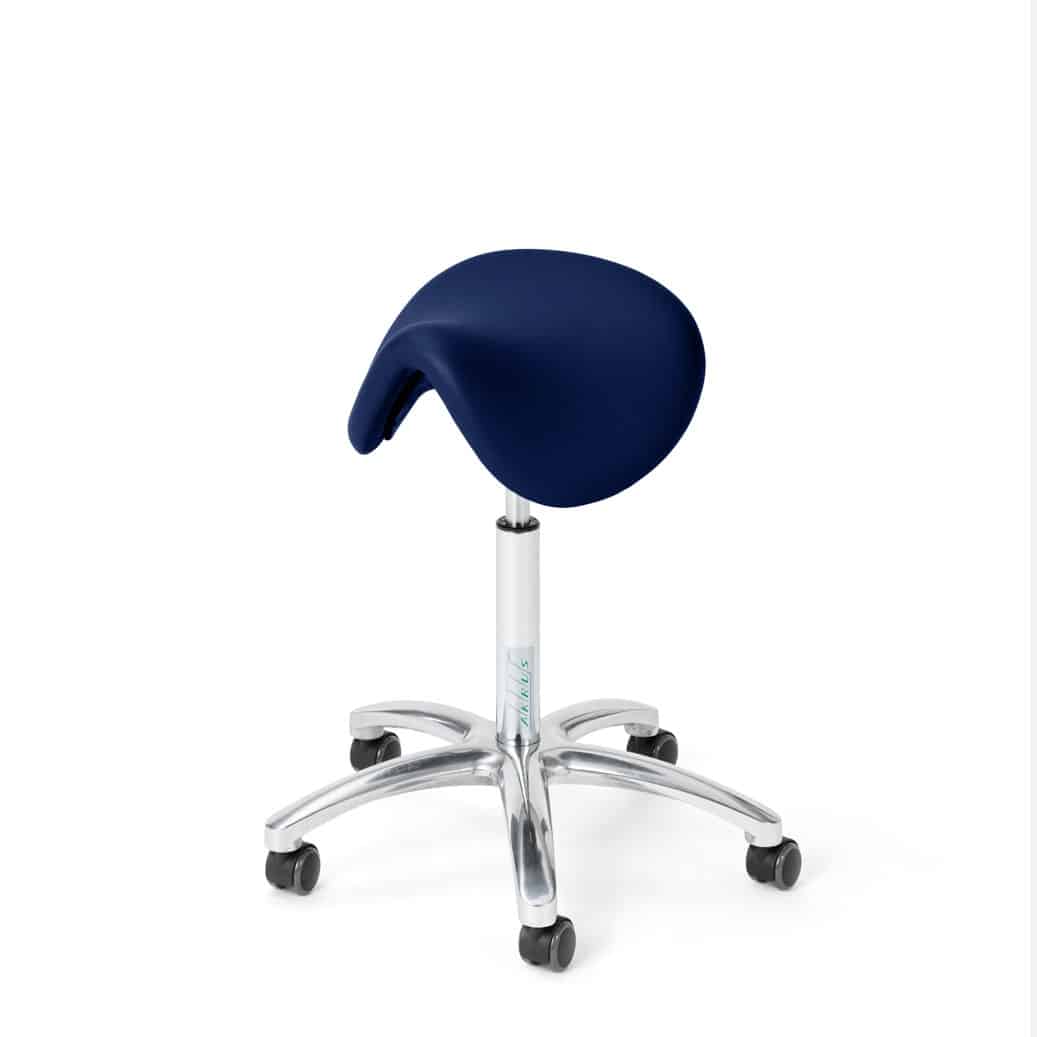
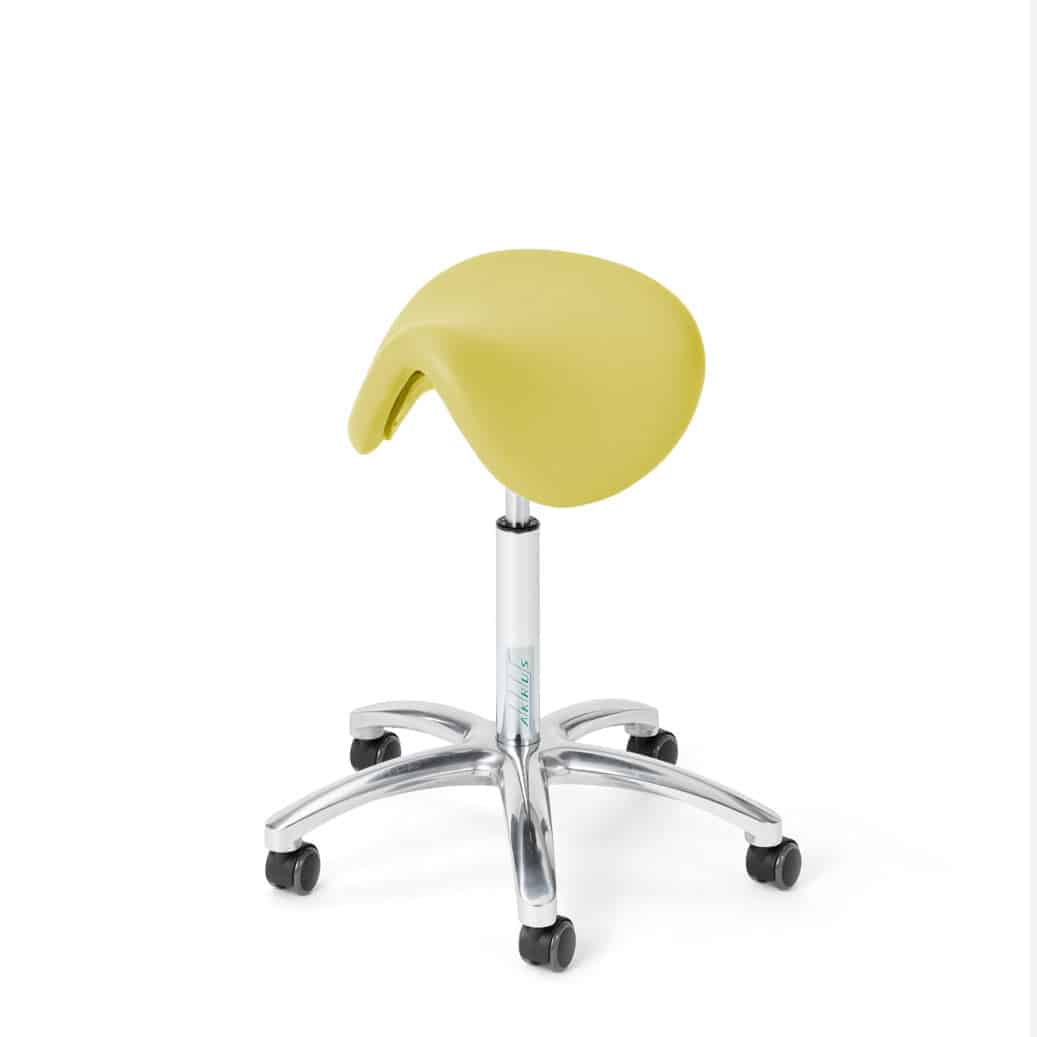
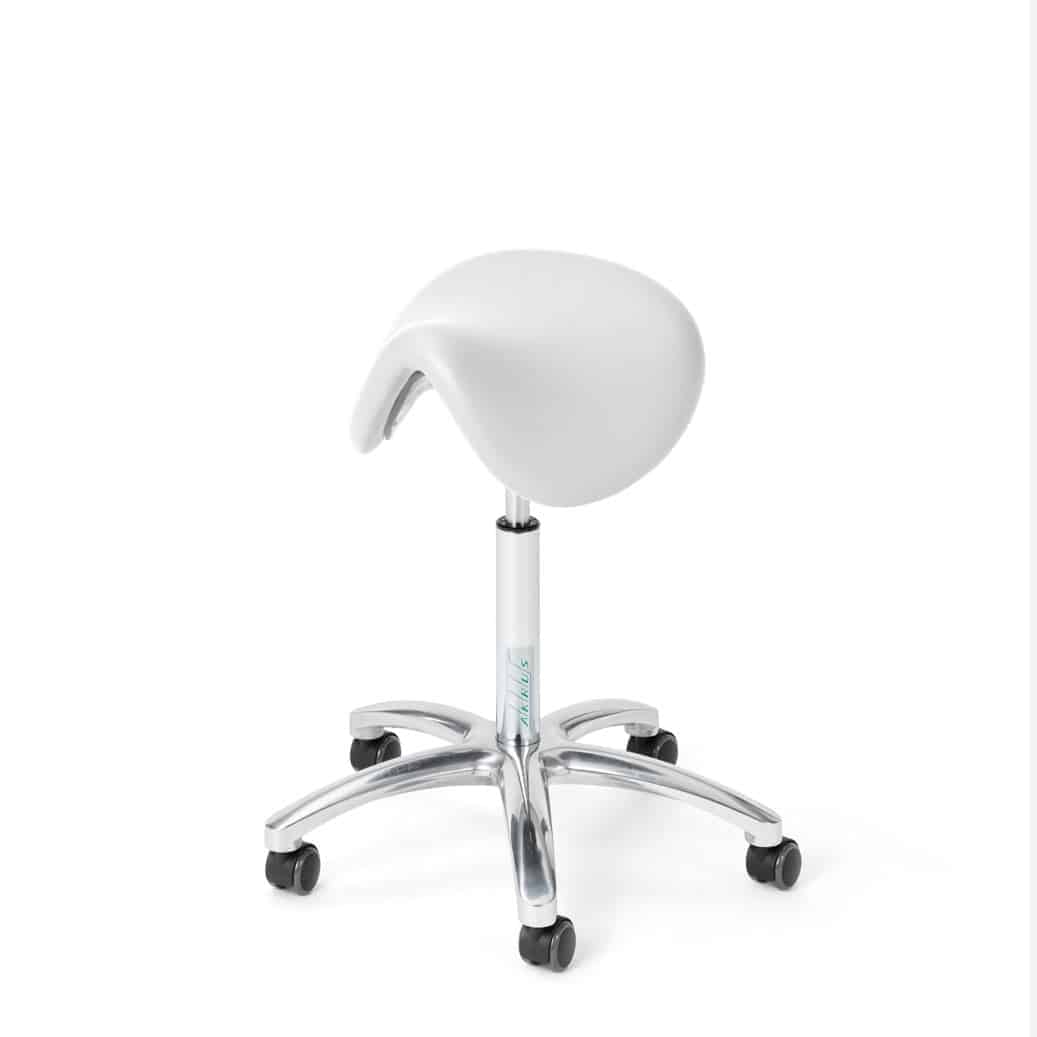
These choices are about far more than appearance alone. They give practices and clinics the opportunity to select products that fit harmoniously into their environment. This can help rooms feel more balanced while also reflecting the individual design identity of the facility. Especially in areas where people are meant to feel well cared for and at ease, this is an important aspect.
Can good design also cost more?
This is a valid question. In medical technology, no one makes a decision based on an attractive colour alone. Performance in everyday use always remains the foundation. A product has to work, be reliable and meet the demands of its intended application.
And yet there are situations in which design makes the difference. This may be the case when several solutions are technically very similar. Then people often look more closely: How does the product appear? How well does it fit into the environment? Does it match the standards and identity of the facility? In such cases, good design can be a genuine advantage.
Conclusion
Design is not the most important criterion in medical technology. But it is often far more important than it may seem at first. It influences first impressions, supports the perception of quality and can contribute to a pleasant atmosphere.
Anyone developing or selecting products for medical environments should therefore consider design from the outset — not as decoration, but as part of a solution that truly connects with people in everyday practice.